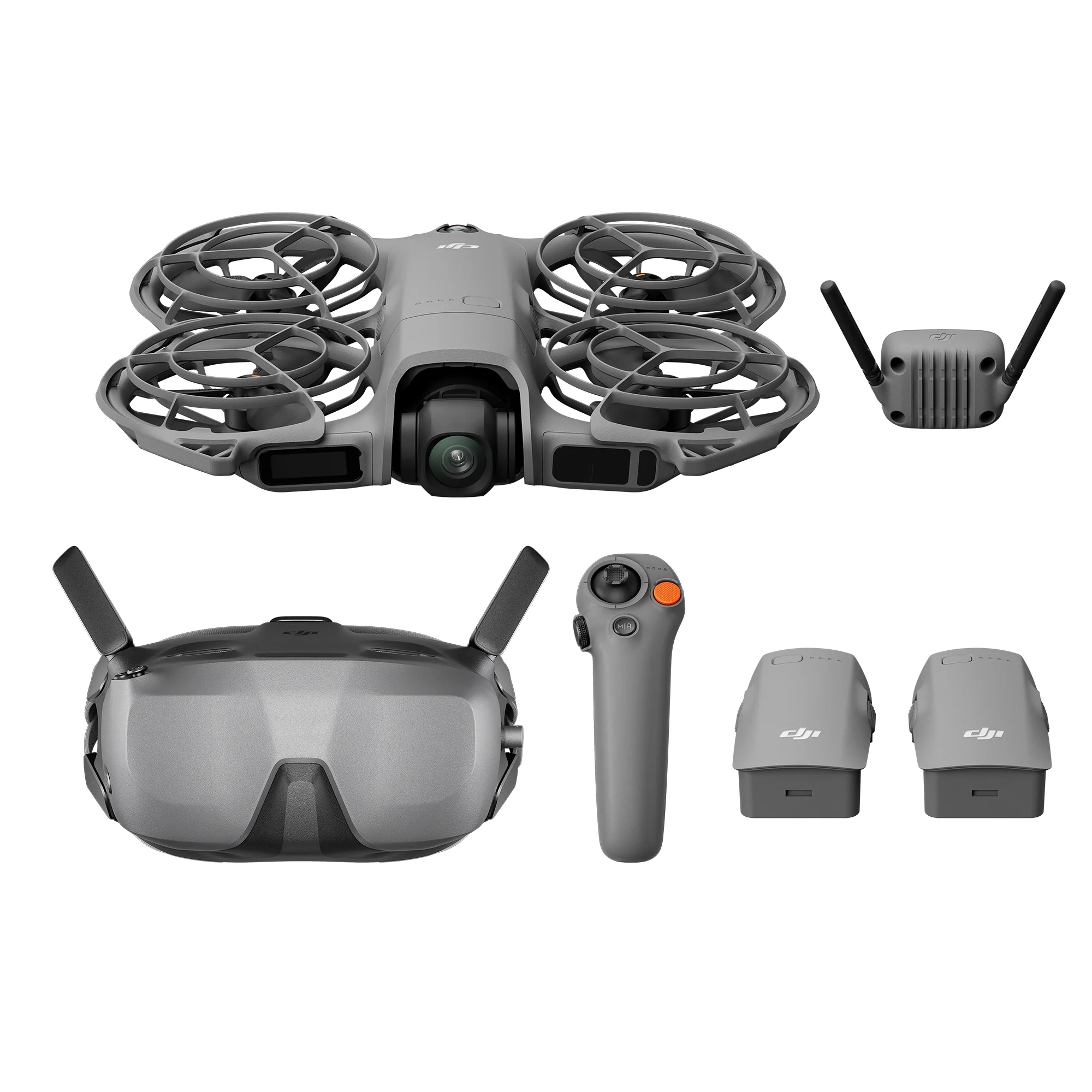
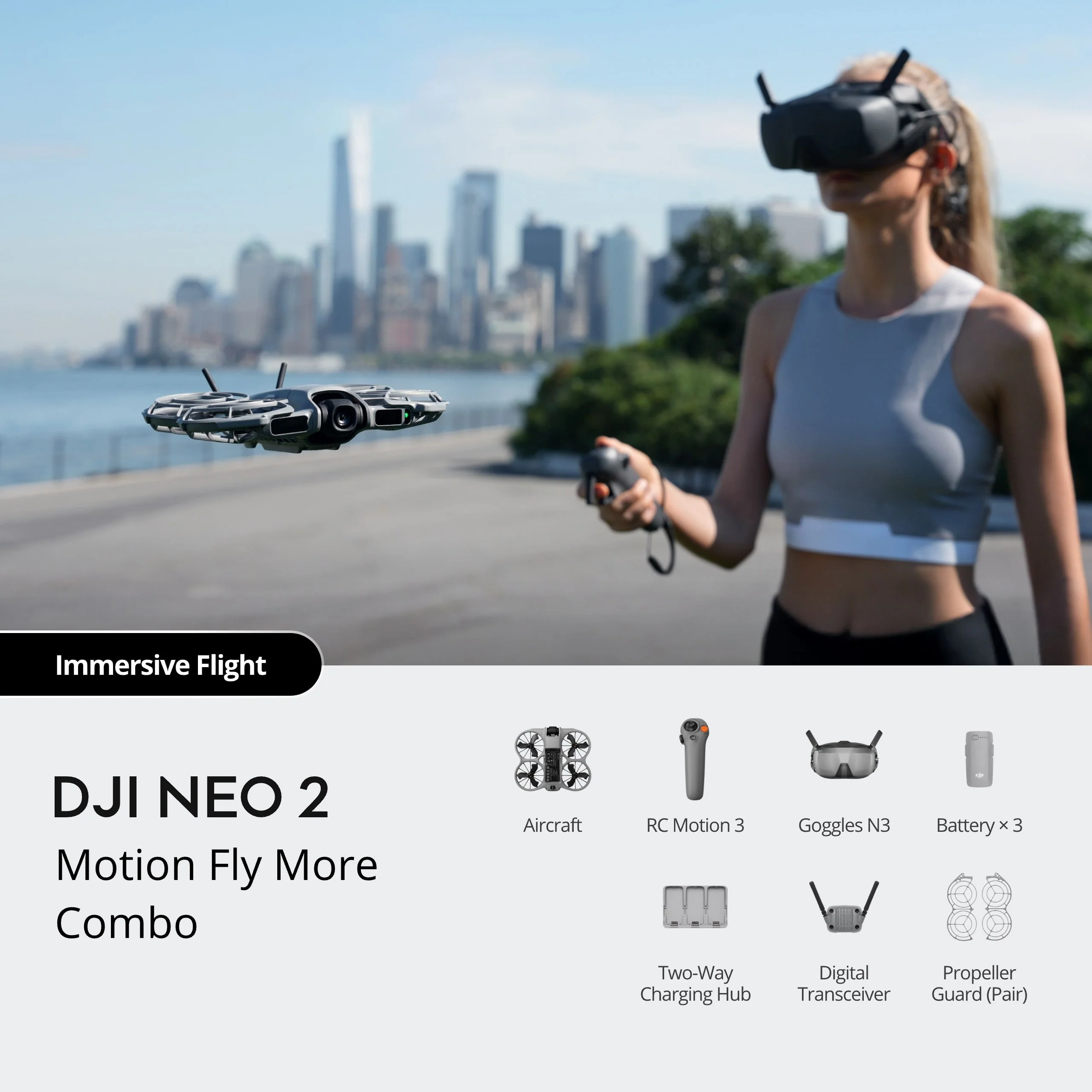
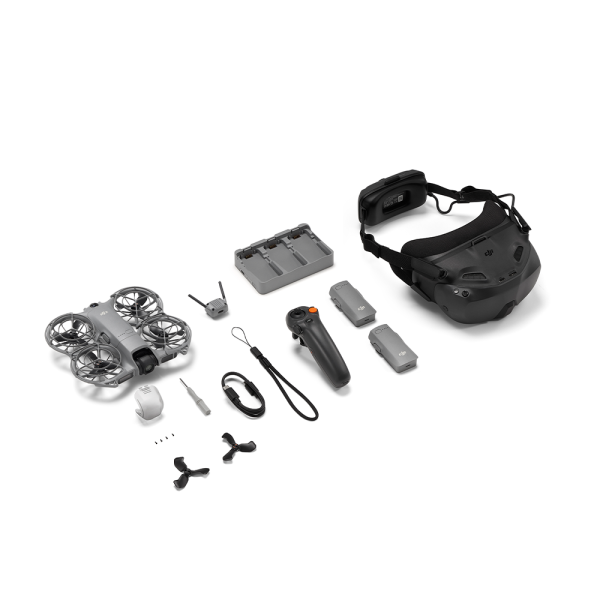
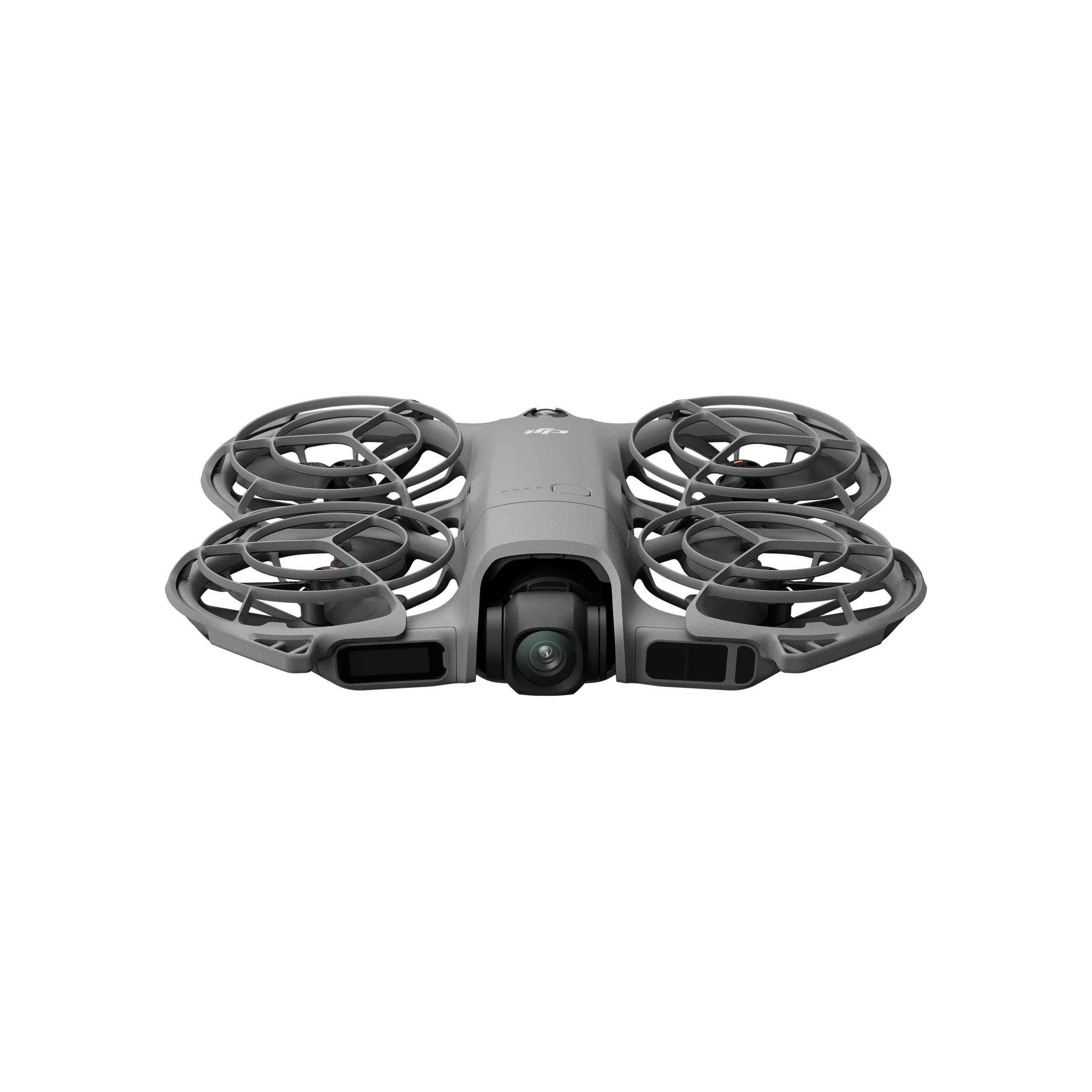
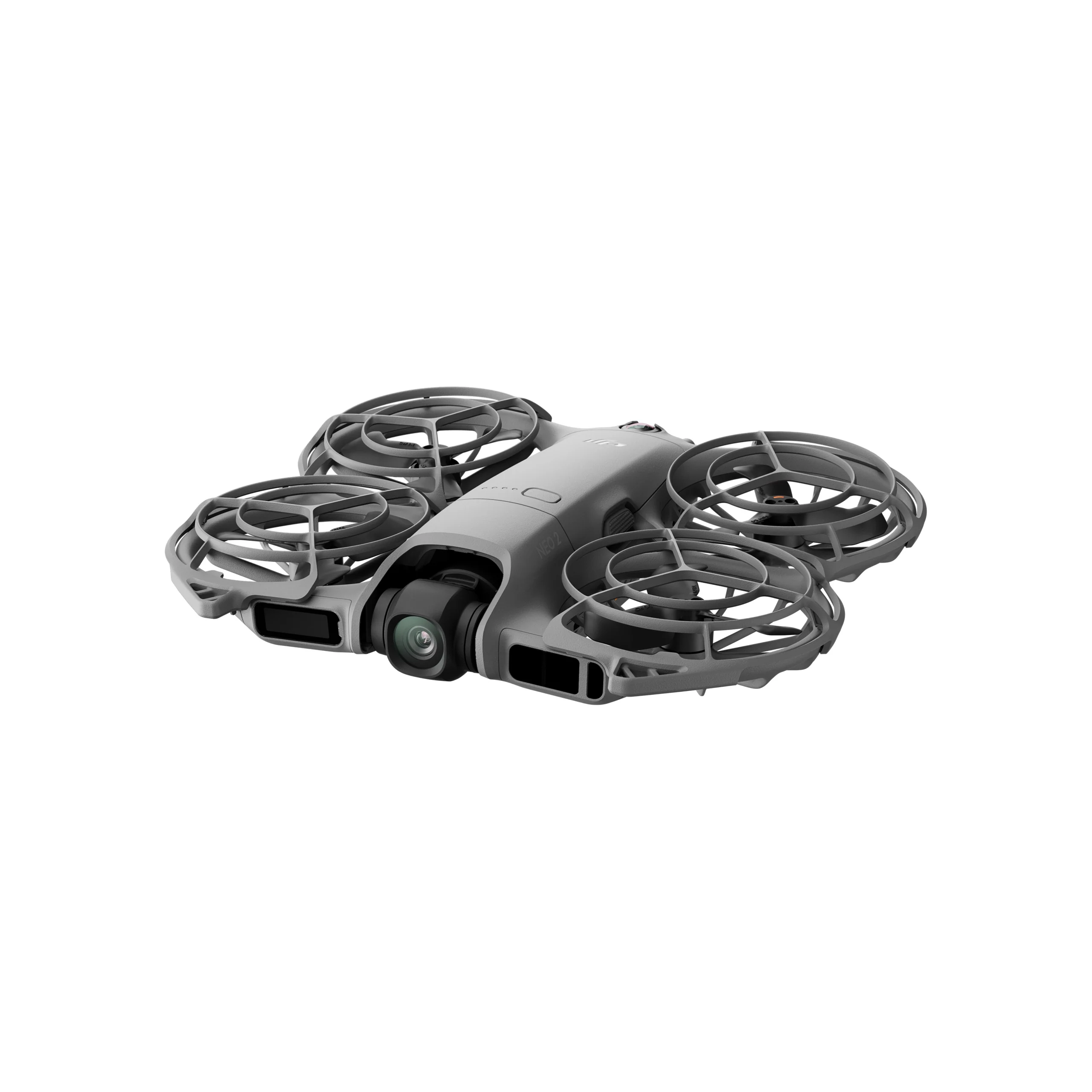
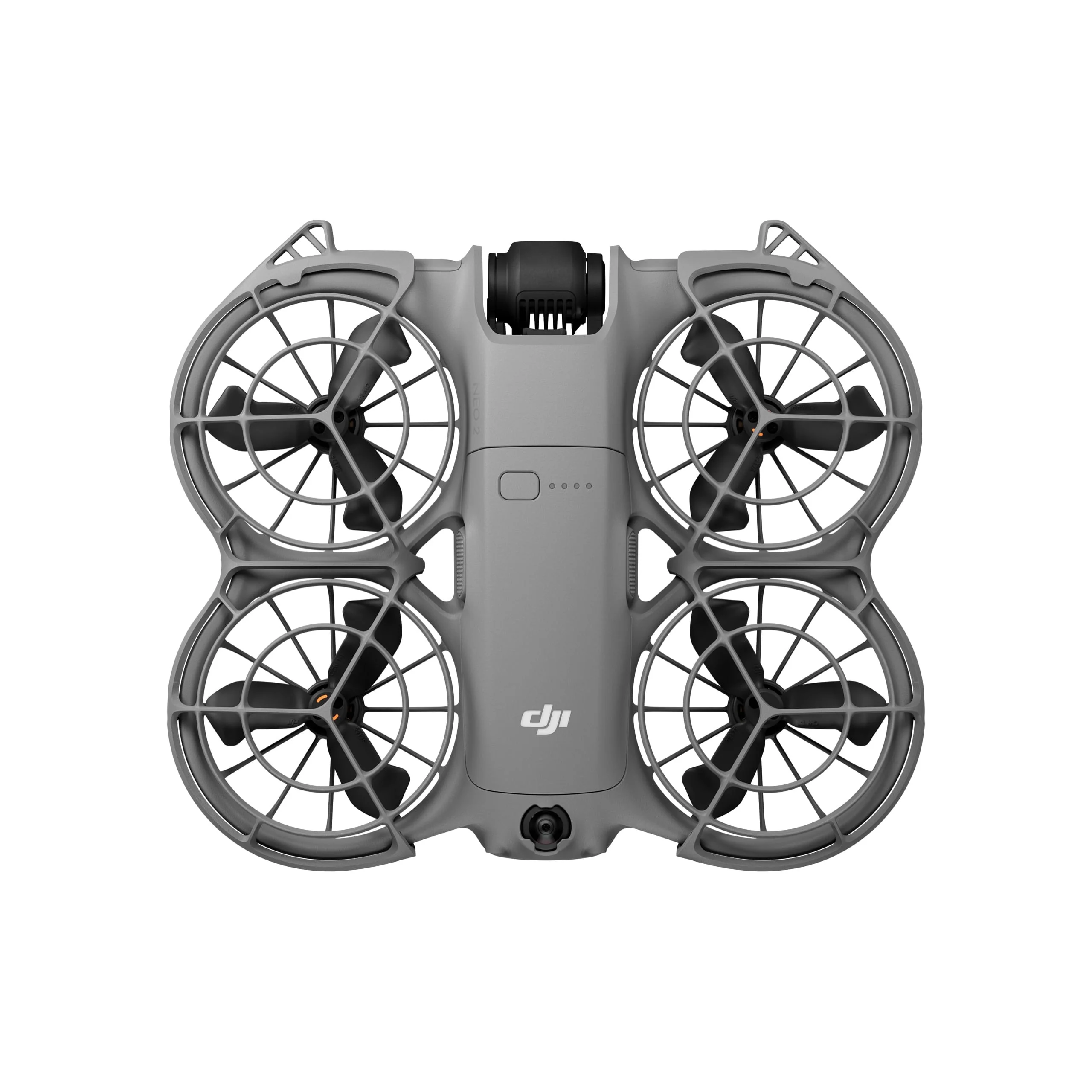
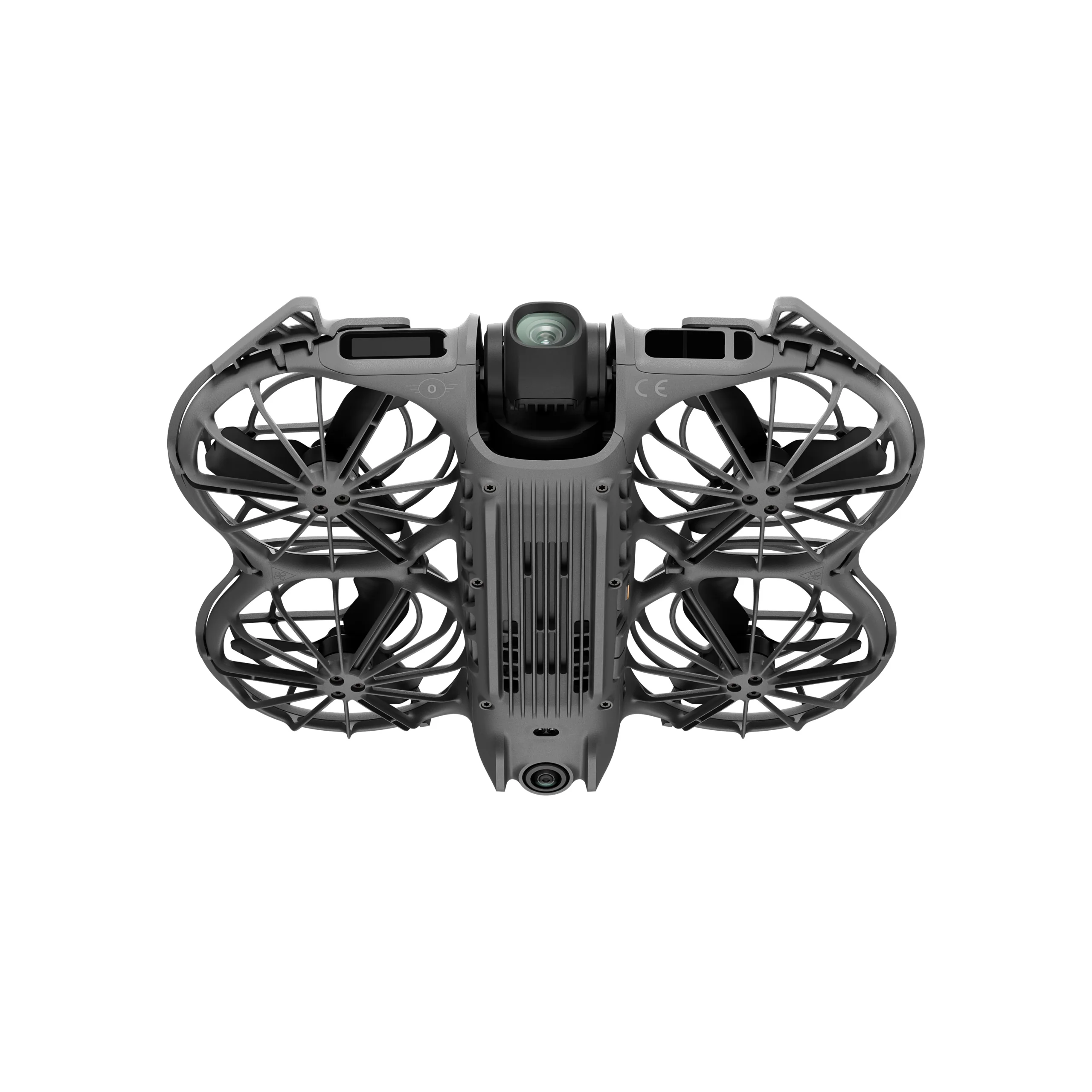
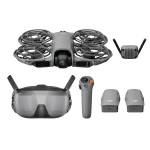
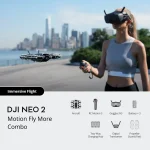
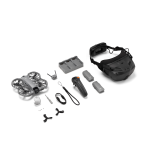
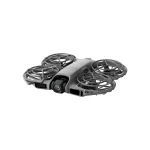
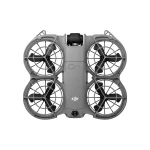
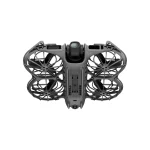
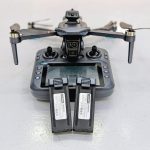
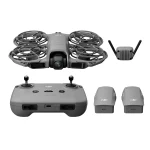
DJI Neo 2 Motion Fly More Combo
- 1 Year Dji Official Free Replacement Warranty
- Palm Takeoff & Landing, Gesture Control
- Faster, Smoother Tracking With ActiveTrack
- Easy Moment Capture With SelfieShot
- Omnidirectional Obstacle Sensing and Versatile Flight
- 4K High-Quality Imaging
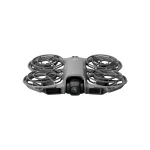
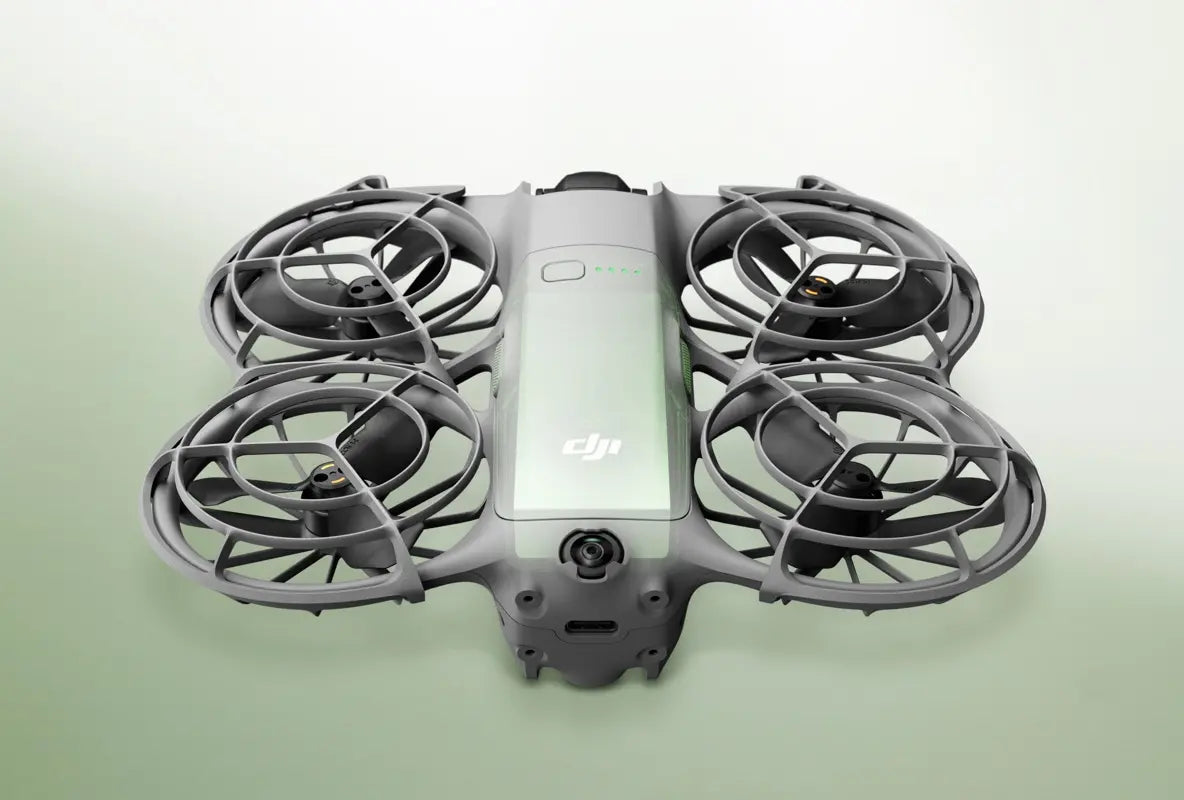
- Lightweight, Portable Design With Full-Coverage Propeller Guards
Out of stock

Payment Methods:

DJI Neo 2 is DJI’s most compact drone equipped with omnidirectional obstacle sensing and features such as gesture control, SelfieShot, and ActiveTrack for more creative ways to fly. Even beginners can get started effortlessly. Think of it as your personal follow-me camera drone, always ready to capture your most exciting moments.
More Ways to Control, More Fun
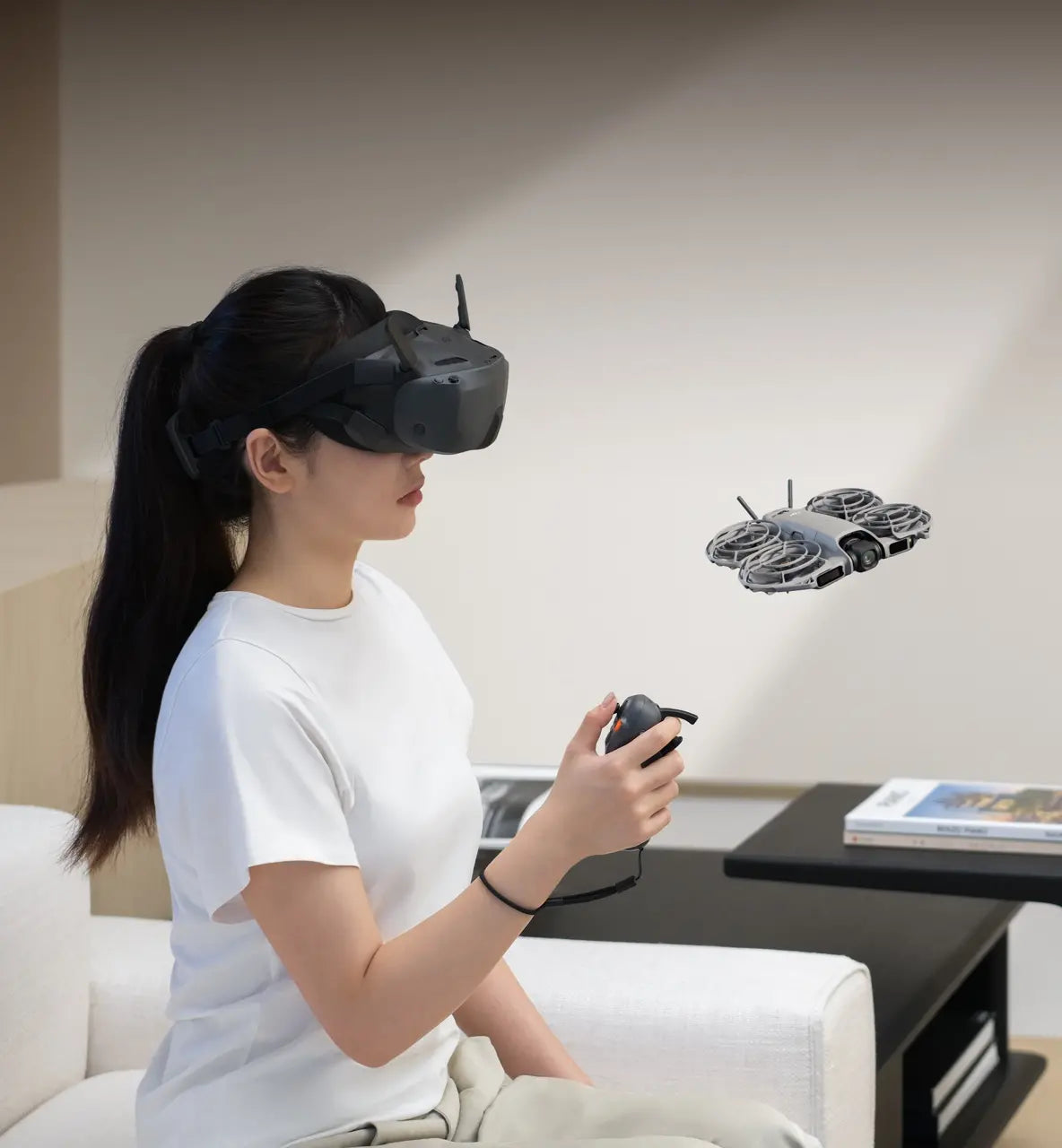
Neo 2 can follow you effortlessly even without a remote controller, ensuring every exciting moment is captured. Pair it with DJI RC 2 or DJI RC-N3 remote controller for easy-to-start aerial flights. Put on DJI goggles and use the motion controller for immersive FPV flights. The fun never stops!
Gesture Control
Easily adjust Neo 2’s direction and proximity with one or both hands. Point your palm toward the drone to guide it up, down, or side to side, or use both palms for precise control over proximity. No remote controller is needed for camera angle adjustment.
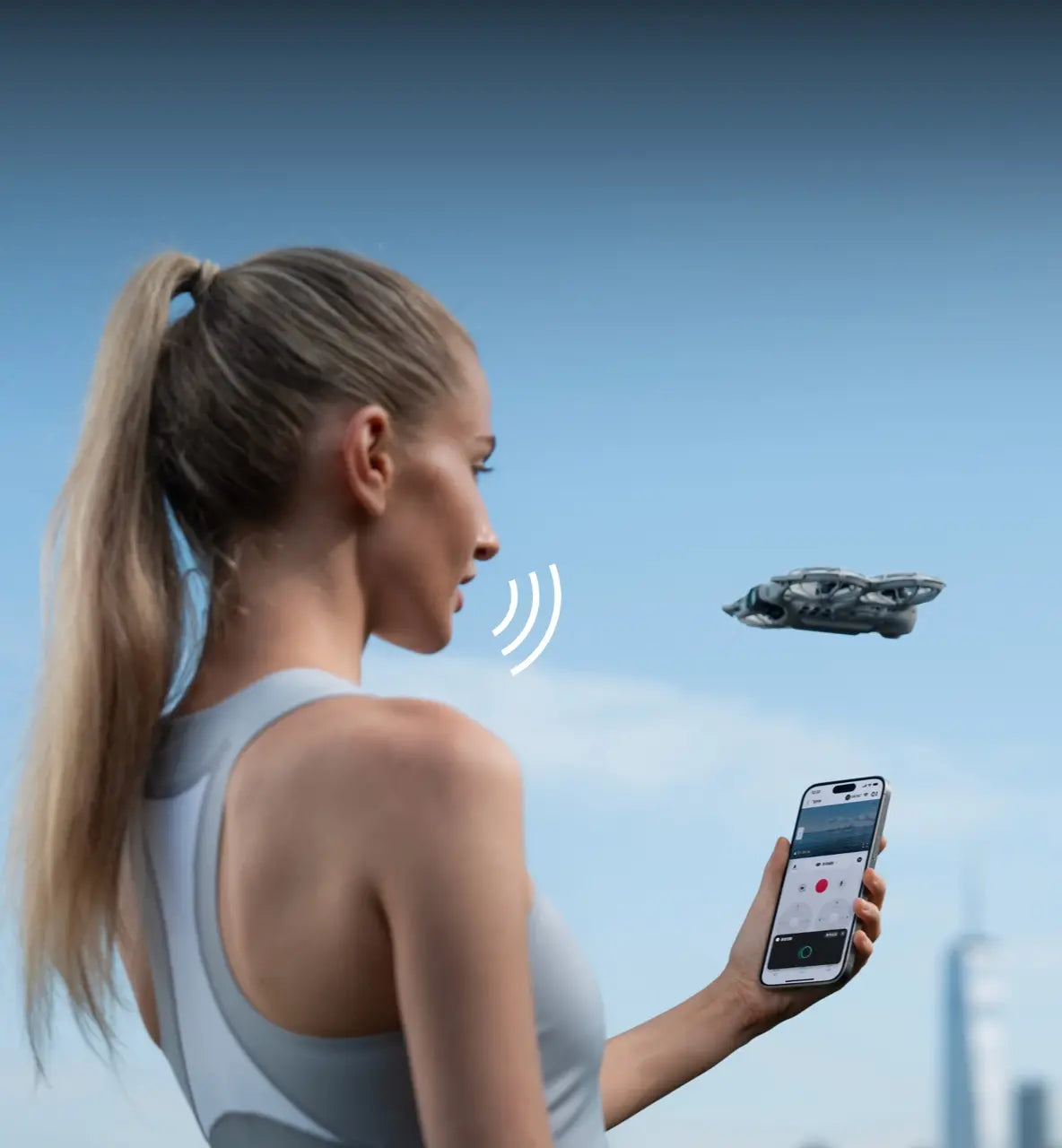
Voice Control via Mobile
You can send flying commands using your smartphone or Bluetooth earphones with complete freedom, whether on a run or cycling. When connected to your phone, it can capture audio and intelligently reduce noise, automatically filtering out propeller noise.
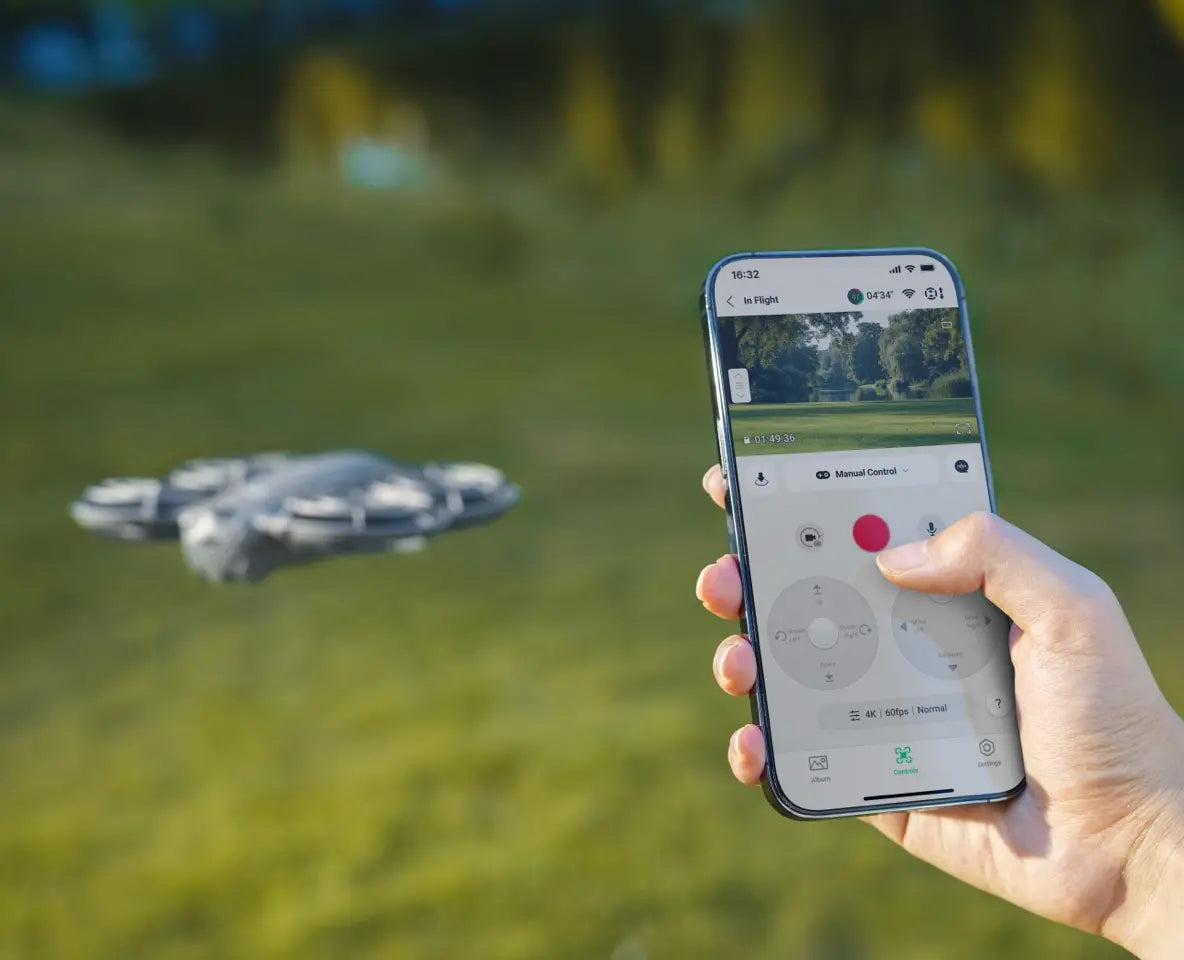
Mobile App Control
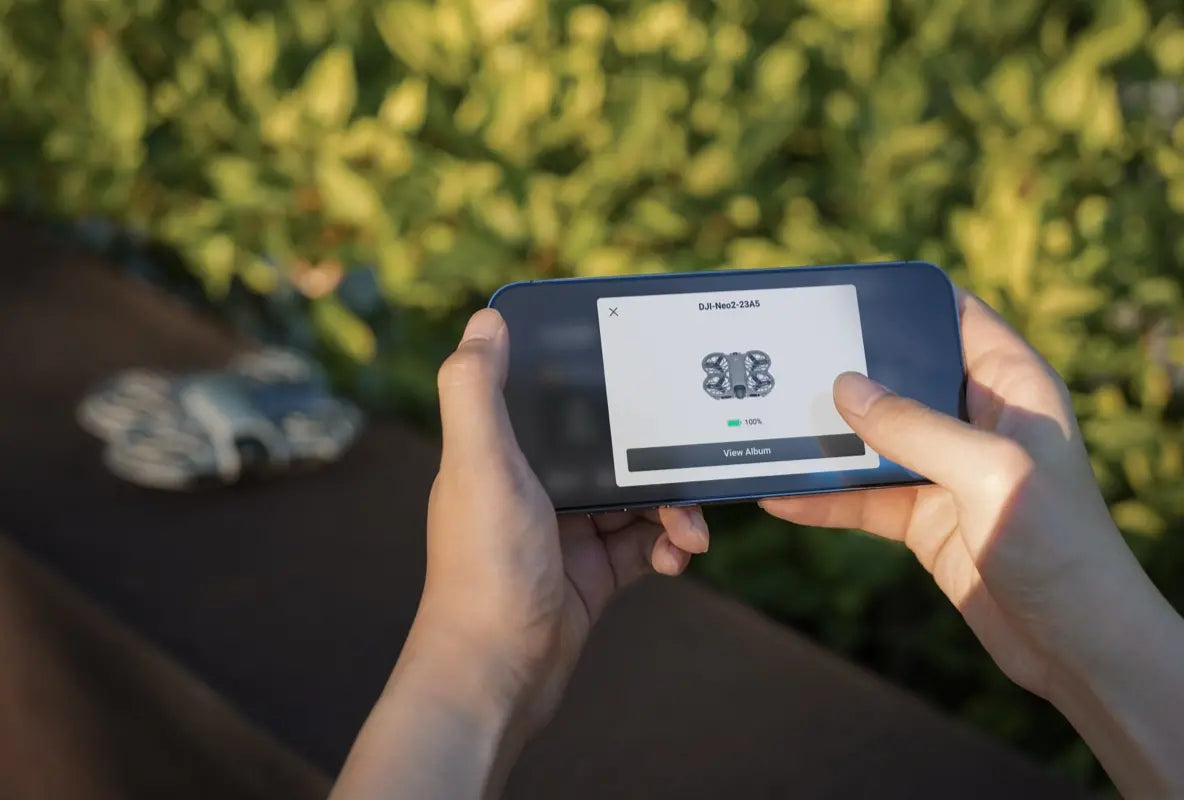
Control Neo 2 with virtual joysticks on the DJI Fly app interface and quickly delve into the joy of flying with no need for a separate purchase of a remote controller.
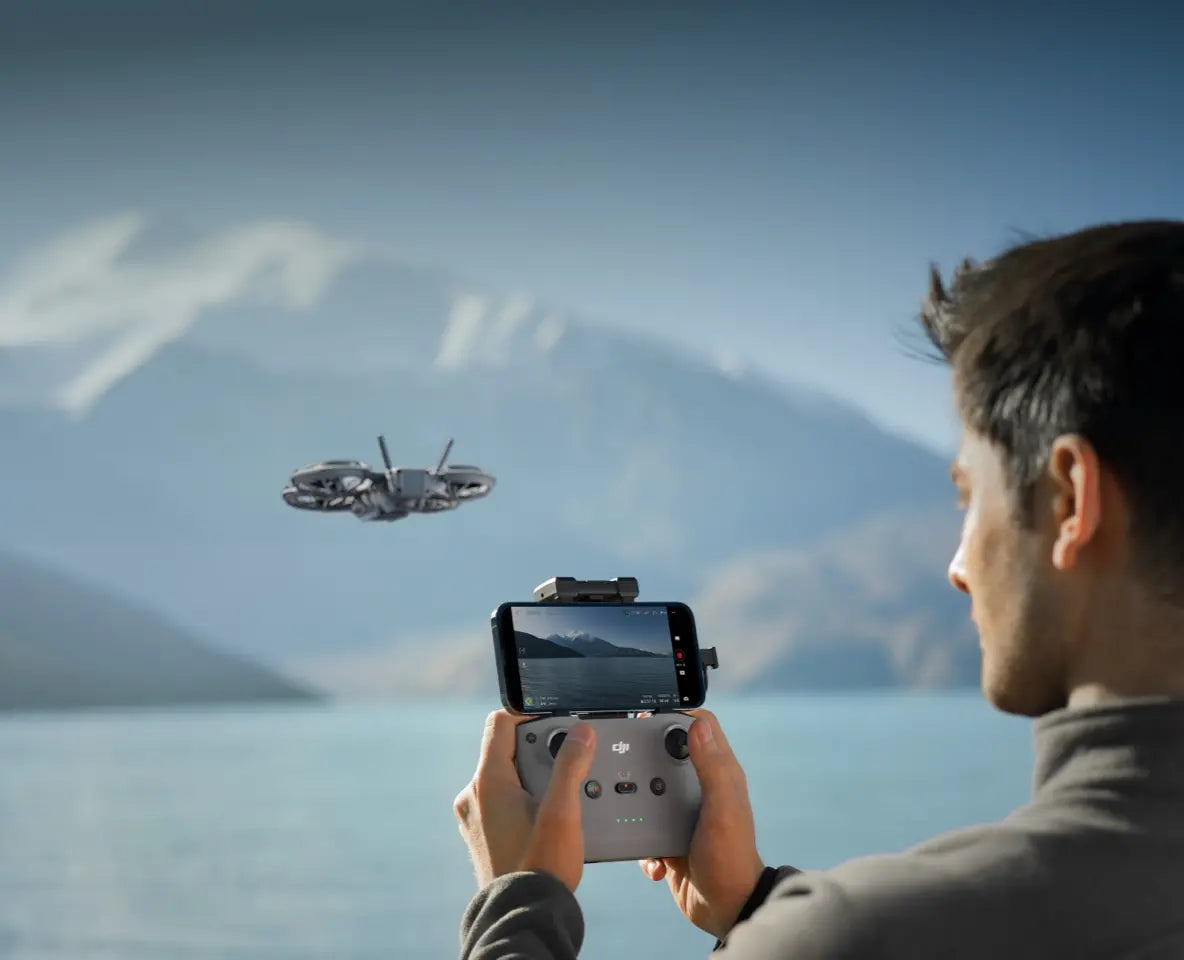
RC Control
When paired with DJI RC-N3 remote controller, Neo 2 can achieve a maximum video transmission distance of 10 km. Flexibly operate the camera using traditional RC control sticks when you need to capture professional-level shots.
Motion Control
When paired with the motion controller and goggles, Neo 2 supports motion control, Easy ACRO, offering an immersive FPV experience.
Faster, Smoother Tracking With ActiveTrack
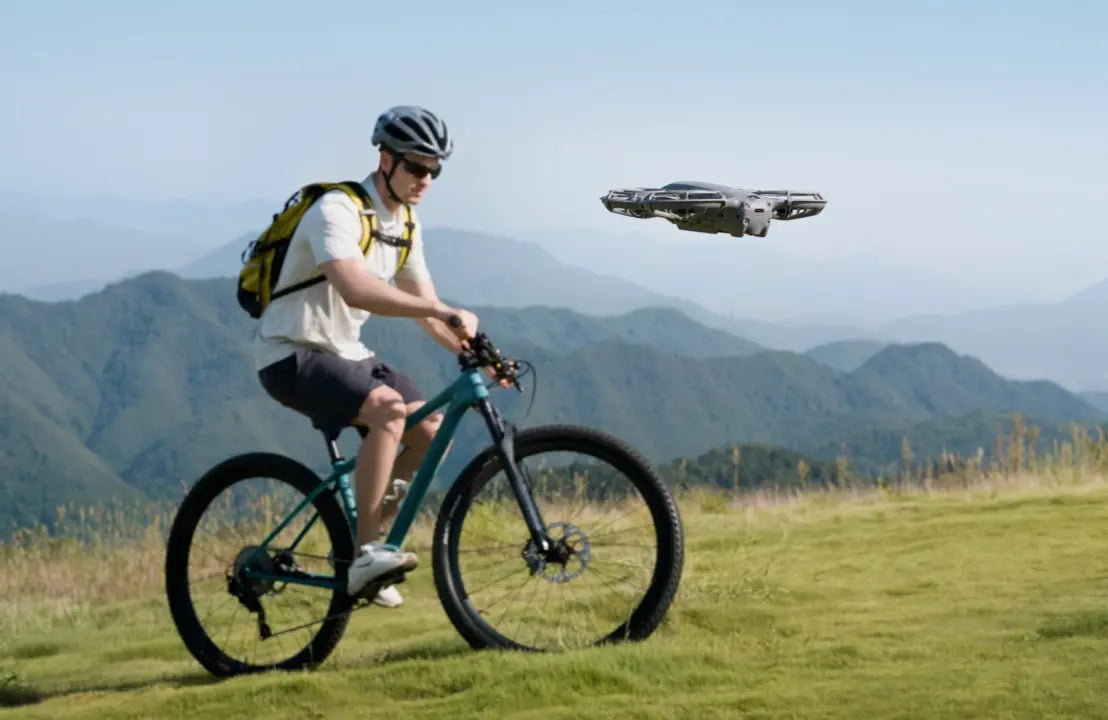
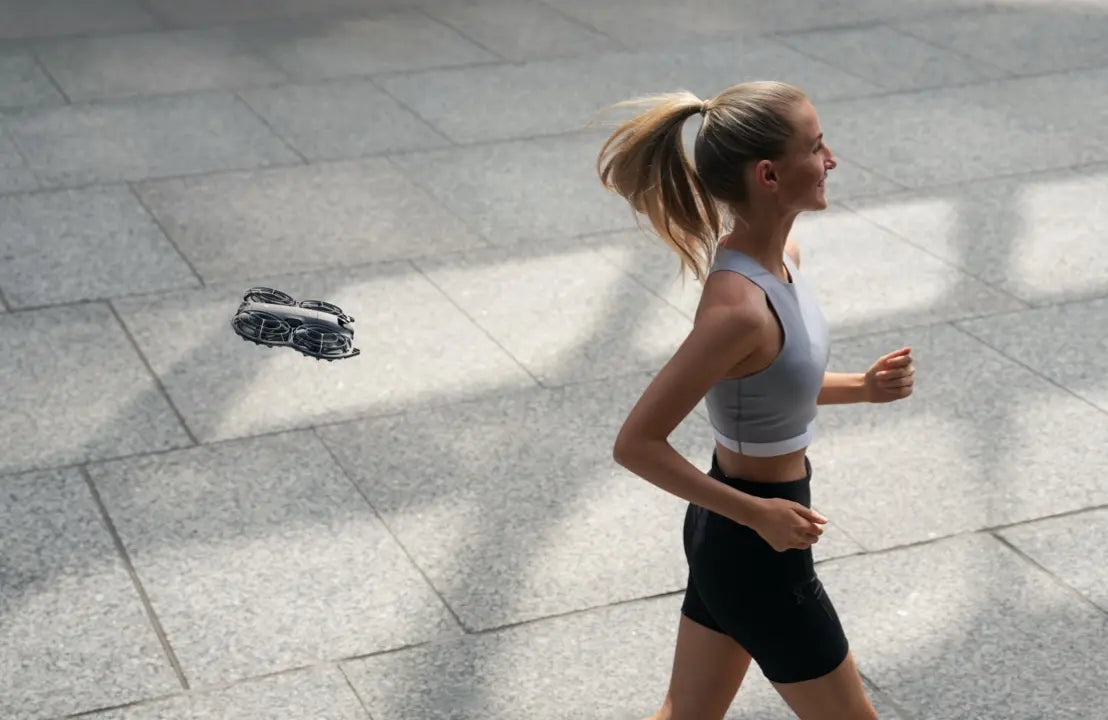
With enhanced tracking performance, Neo 2 enables smooth and stable tracking for running, cycling, and more. In open areas, it can track at speeds of up to 12 m/s , offering faster response and improved stability.
Faster Tracking Speed
With a maximum tracking speed of 12 m/s, Neo 2 smoothly follows you even during running or cycling. Added omnidirectional obstacle sensing ensures safer tracking from the front and sides, allowing you to capture fast-motion moments with ease.
12 m/s
Maximum tracking speed
More Tracking Directions
Eight-direction tracking (forward, backward, left, right, and four diagonals) enables smoother, more natural follow shots and expands creative possibilities. In complex environments, the drone can switch to rear tracking mode, steadily keeping the subject in focus and enabling creative freedom with confidence.
Easy Moment Capture With SelfieShot
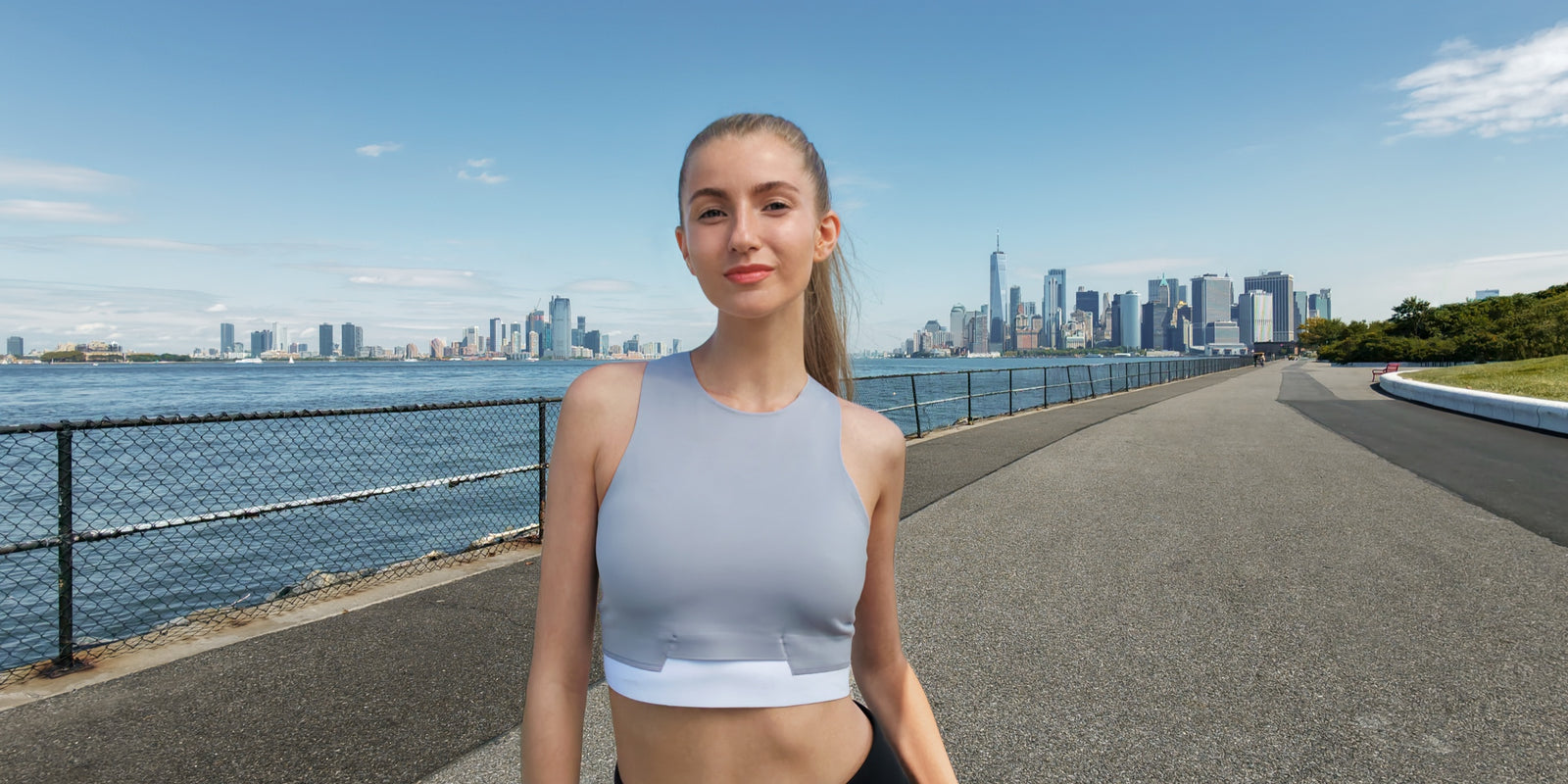
Capture solo or group moments hands-free with SelfieShot, which lets you effortlessly switch between waist-up, full-body, and long shots without a tripod or any extra assistance. Whether it’s birthday parties, weekend picnics, or family outings, Neo 2 automatically composes every scene and maneuvers the camera as needed to capture your cherished moments with just a tap.
4K High-Quality Imaging
Neo 2 features a 12MP, 1/2-inch CMOS sensor with an f/2.2 aperture and high-performance image processor for clearer, low-noise footage. Shoot in 4K/60fps video, 4K/100fps slow motion, and 2.7K vertical video, all stabilized by a 2-axis gimbal.
4K Video
Neo 2 records 4K/60fps video and 4K/100fps slow-motion, delivering smooth and clear results.
2.7K Vertical Shooting
Neo 2 supports 2.7K vertical video recording, ideal for social media sharing.
Portrait Optimization
Featuring DJI’s portrait optimization technology, Neo 2 enhances portraits’ brightness, contrast, and skin tones, showcasing naturally radiant skin with vivid, lifelike expressions.
Stunning Footage
Neo 2 captures impressive footage with true-to-life image quality.
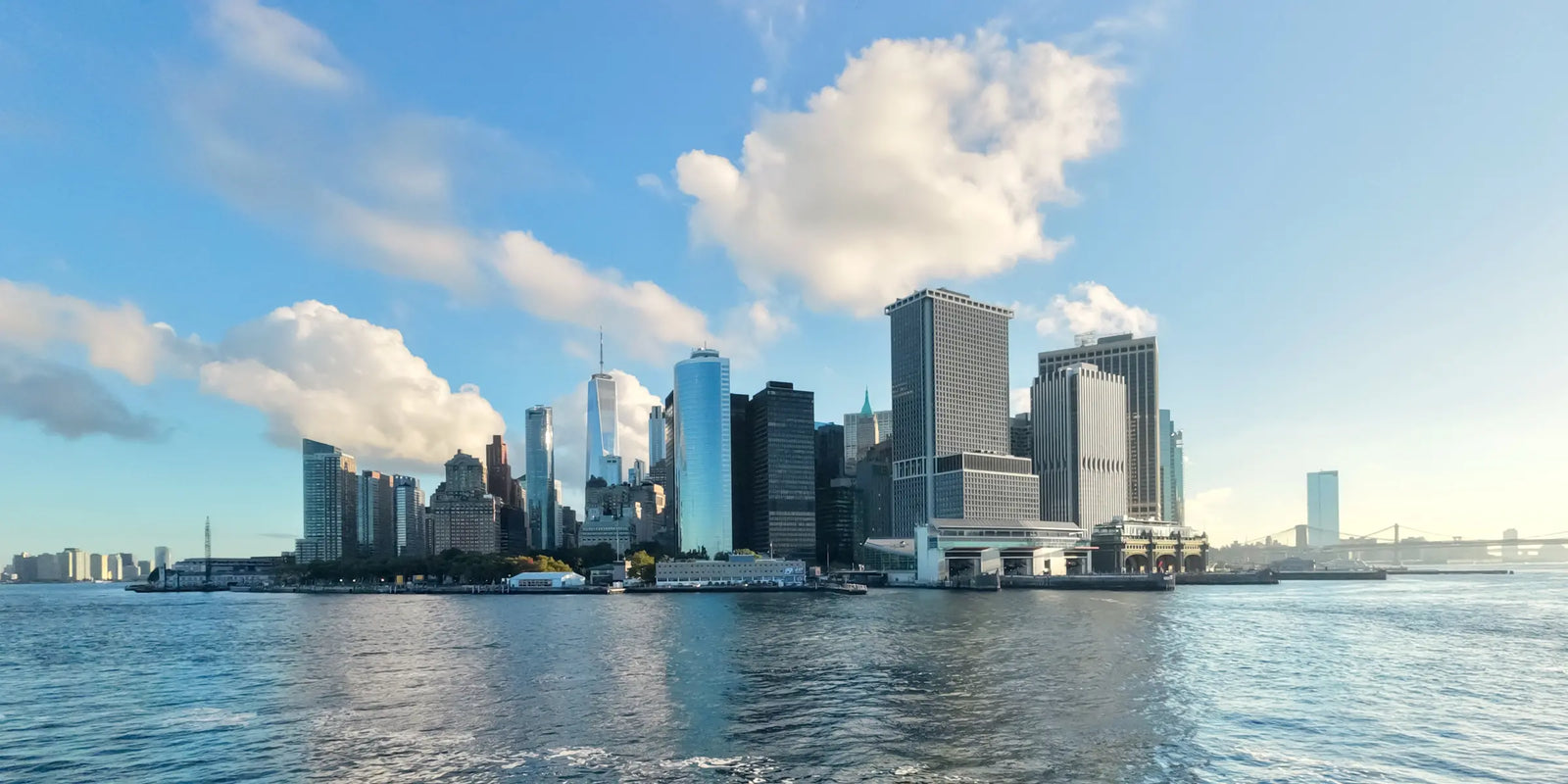
Enhanced Stabilization
The 2-axis gimbal works with Electronic Image Stabilization (EIS) to deliver smooth, stabilized footage in any scenario.
Smart Modes, Stunning Shots
Neo 2 supports intelligent shooting modes such as Dolly Zoom, QuickShots, and MasterShots, offering diverse perspectives and making standout footage simple to create.
Dolly Zoom
QuickShots
MasterShots
Complete Protection, Easy for Beginners
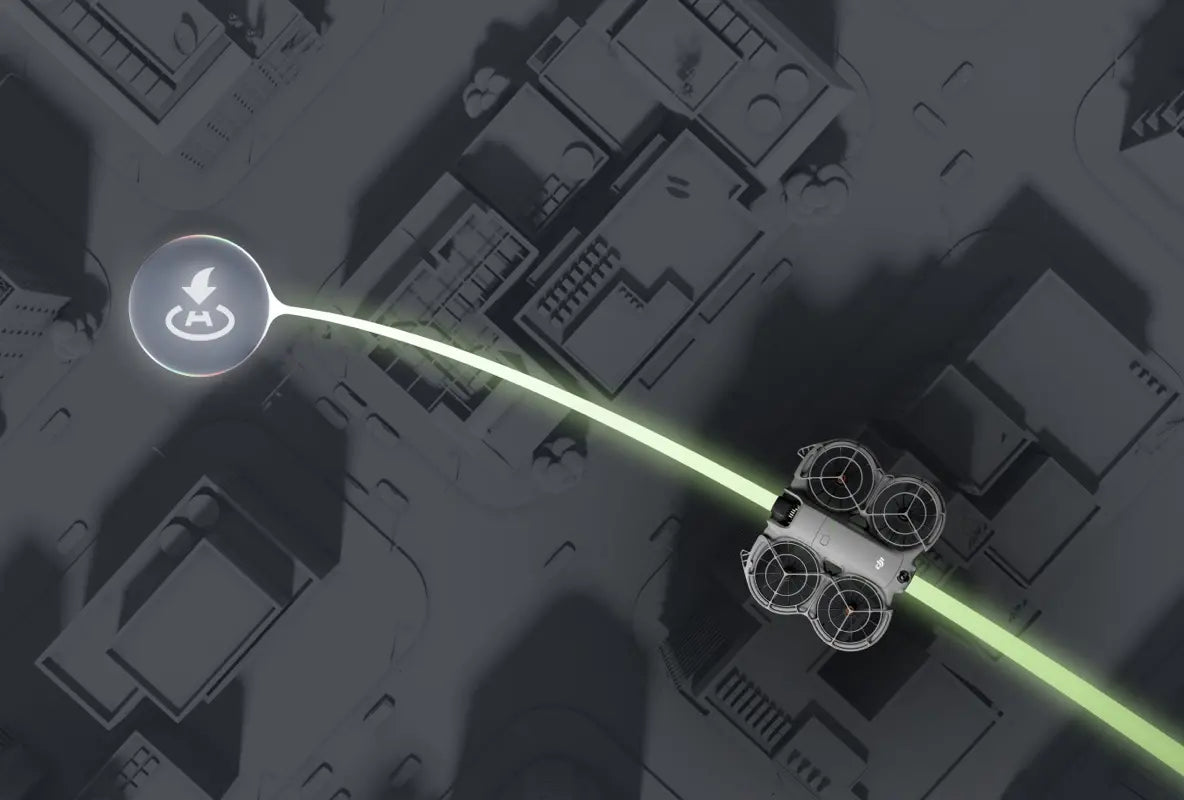
The omnidirectional monocular vision system, combined with forward-facing LiDAR and a downward infrared sensing system, detects obstacles in real time for safe, confident flying. The integrated propeller guard design provides all-around protection, giving beginners peace of mind when operating the drone.
Omnidirectional Obstacle Sensing
With the new omnidirectional obstacle sensing feature, Neo 2 can detect and avoid obstacles when tracking from the front or sides, so even beginners can operate the drone with ease, stability, and confidence.
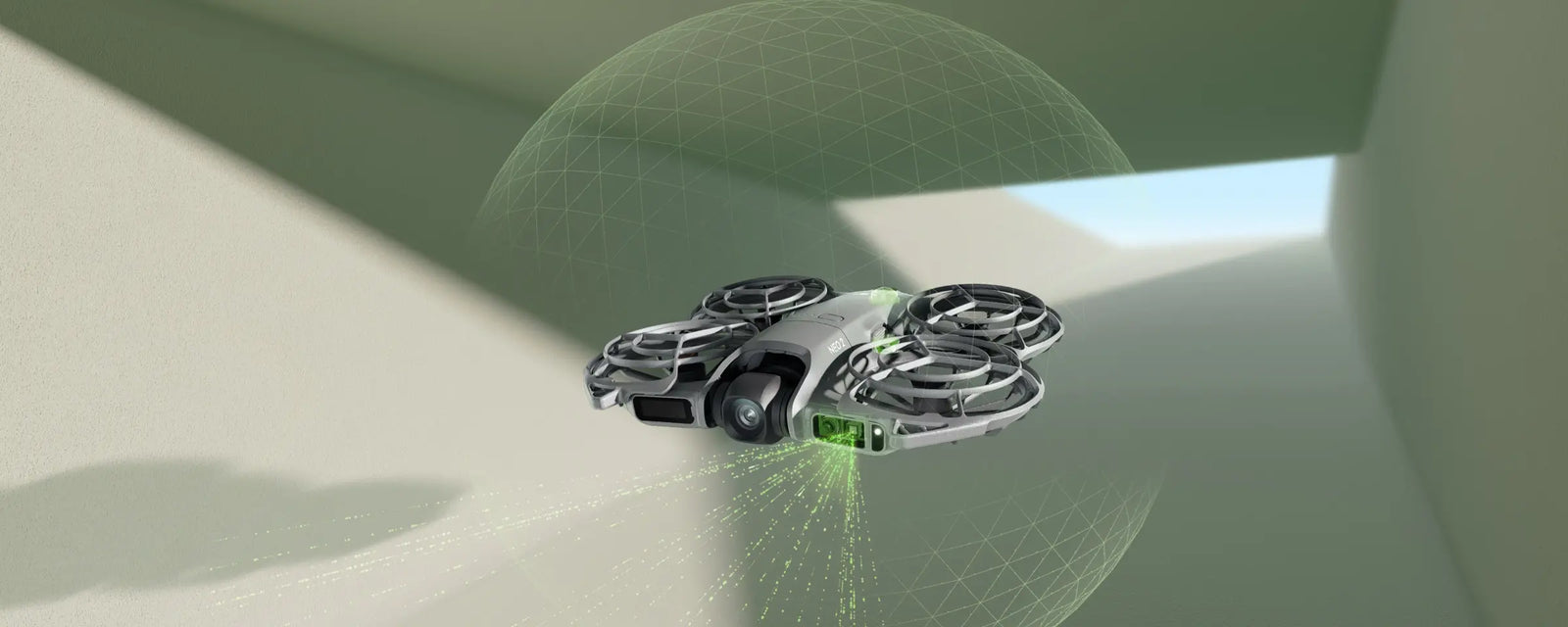
Versatile Flight
Neo 2 supports versatile flight, with enhanced hovering and positioning capabilities over Neo, making it easier to navigate challenging environments like indoors, near buildings, over water, or on snow.
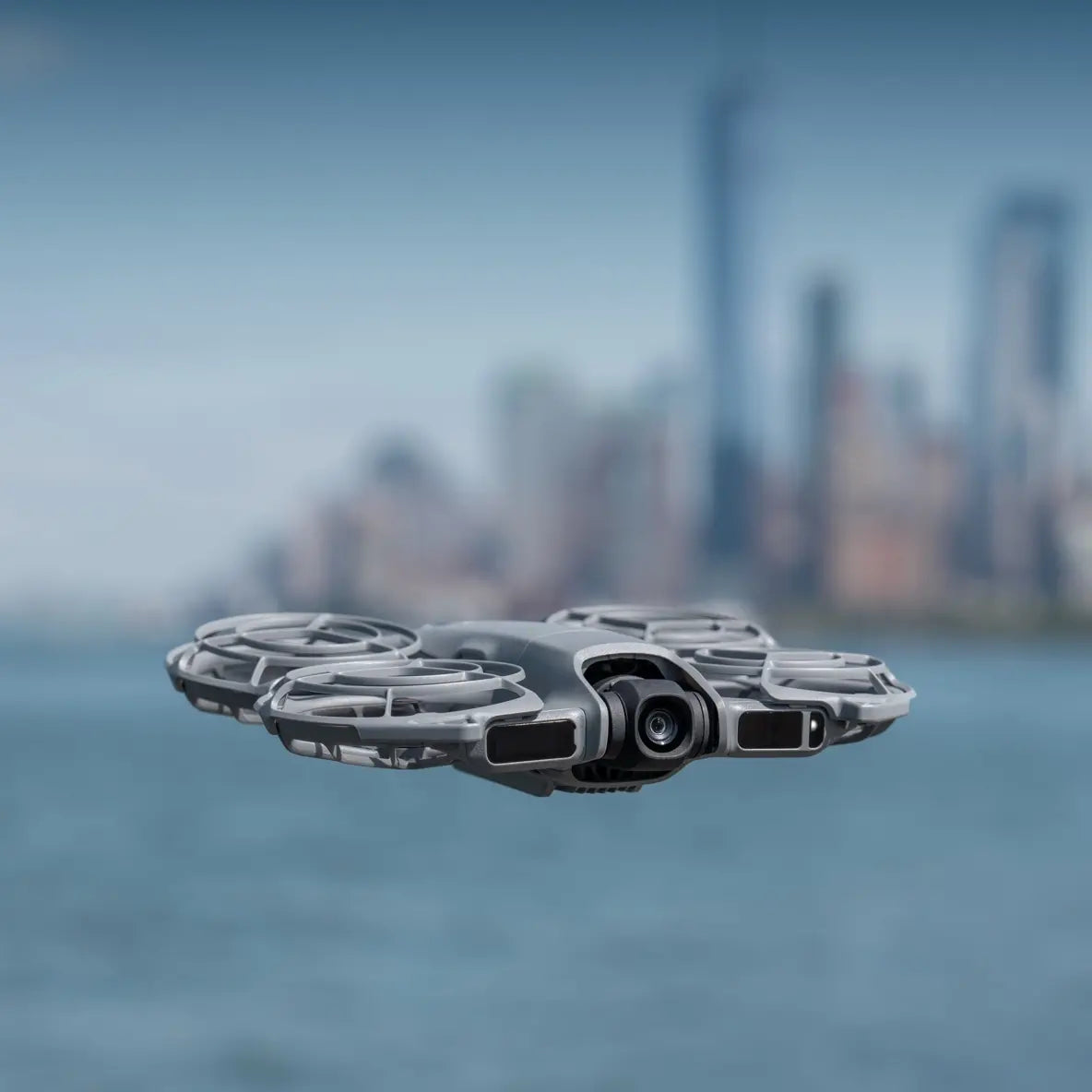
Full-Coverage Propeller Guards
A lightweight body paired with an integrated propeller guard design makes flying and carrying safer and more agile, so every journey is secure and worry-free.
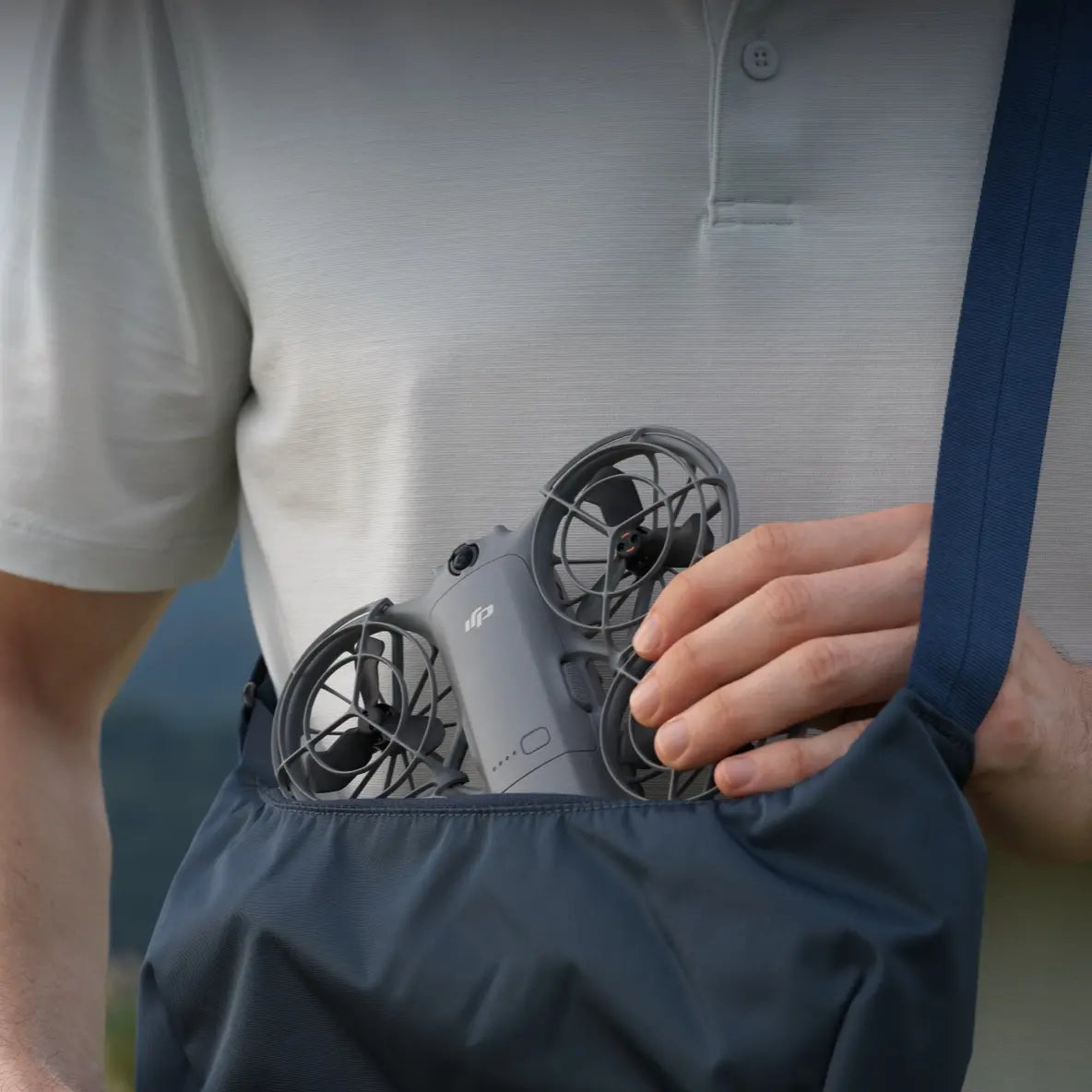
Create With Ease and Efficiency
Specifications
| Aircraft | |
|---|---|
Takeoff Weight | The actual product weight may vary due to differences in batch materials and external factors. |
Dimensions | |
Max Ascent Speed | Maximum speed measured in an open, windless environment, with the drone taking off from an altitude of 0 m and controlled via remote controller. Data are for reference only. |
Max Descent Speed | Maximum speed measured in an open, windless environment, with the drone taking off from an altitude of 0 m and controlled via remote controller. Data are for reference only. |
Max Horizontal Speed (at sea level, no wind) | Maximum speed measured in an open, windless environment, with the drone taking off from an altitude of 0 m and controlled via remote controller. Data are for reference only. |
Max Takeoff Altitude | Measured in a windless environment when taking off from an altitude of 2000 m and ascending vertically by 120 m, using Sport mode, and from 100% battery level until 20%. Data is for reference only. Always pay attention to reminders on the camera view during your flight. |
Max Flight Time | * Measured when flying forward at a speed of 4 m/s in a windless environment 20 m above sea level, without DJI Neo 2 Digital Transceiver, with camera parameters set to 1080p/30fps, video mode off, and from 100% battery level until 0%. Results may vary depending on the environment, actual use, and firmware version. ** Measured after DJI Neo 2 is activated, with a fully charged battery and default settings, and using Circle, Rocket, and Dronie modes, and is for reference only. |
Max Hovering Time | Measured when hovering in a windless environment 20 m above sea level, without DJI Neo 2 Digital Transceiver, with camera parameters set to 1080p/30fps, video mode off, and from 100% battery level until 0%. Results may vary depending on the environment, actual use, and firmware version. |
Max Flight Distance | Measured when flying forward at a speed of 9 m/s in a windless environment 20 m above sea level, without DJI Neo 2 Digital Transceiver, with camera parameters set to 1080p/30fps, video mode off, and from 100% battery level until 0%. Results may vary depending on the environment, actual use, and firmware version. |
Max Wind Speed Resistance | |
Operating Temperature | |
Global Navigation Satellite System | |
Hovering Accuracy Range | Horizontal: ±0.3 m (with vision positioning) ±1.5 m (with satellite positioning) |
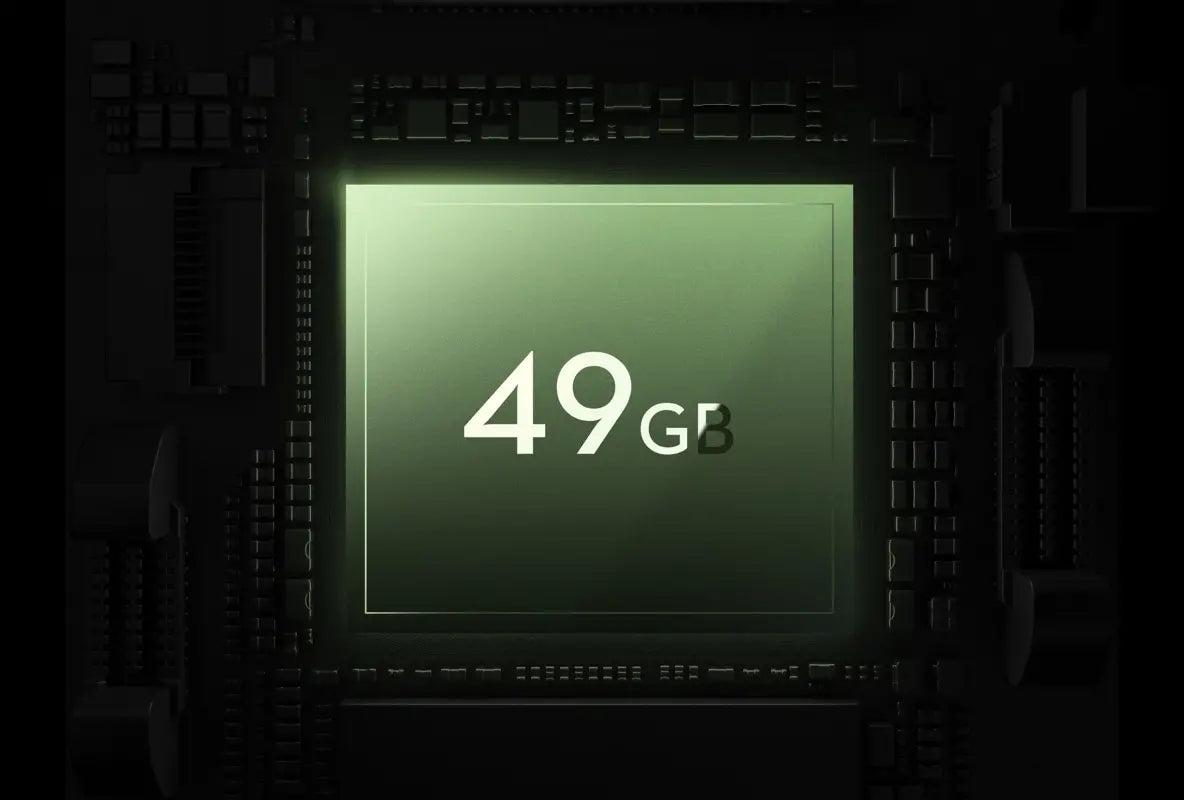
Internal Storage | |
Class | |
| Camera | |
Image Sensor | |
Lens | |
ISO Range | Video 100-12800 (Auto) 100-12800 (Manual) |
Shutter Speed | |
Max Image Size | |
Still Photography Modes | |
Photo Format | |
Video Resolution | Vertical Shooting: 2.7K (9:16): 1512×2688@60/50/30fps* 4K/100fps and 1080p/100fps recording are only supported when using motion control or remote control. |
Video Format | |
Max Video Bitrate | |
Supported File System | |
Color Mode | |
| Gimbal | |
Stabilization | |
Mechanical Range | |
Controllable Range | |
Max Control Speed | |
Angular Vibration Range | |
| Sensing | |
Sensing Type | |
Forward | |
Backward | |
Lateral | |
Upward | |
Downward | |
3D Infrared Sensing System | Downward-Facing Infrared Sensor: Measurement Range: 0.3-8 m (reflectivity > 10%) |
Operating Environment | Downward: Surfaces with discernible patterns and adequate lighting (lux > 5), and surfaces that are diffusely reflective with a reflectivity above 20% (e.g., walls, trees, people). |
| Video Transmission | |
Video Transmission System | |
Live View Quality | |
Operating Frequency | Operating frequency allowed varies among countries and regions. Refer to local laws and regulations for more information. |
Transmitter Power (EIRP) | 5.1 GHz: < 23 dBm (CE)5.8 GHz: < 26 dBm (FCC) < 14 dBm (CE) < 26 dBm (SRRC) |
Max Transmission Distance (free of interference) | Measured in an unobstructed outdoor environment free of interference using the remote controller or goggles and showed the farthest communication range for one-way, non-return flights under each standard. The maximum video transmission distance in the actual flight scenarios is limited by the drone’s maximum flight distance. Always pay attention to RTH reminders on the live view during your flight. |
Max Transmission Distance (with interference) | Measured under FCC standard in unobstructed environments with typical interference, using the remote controller or goggles. Used for reference purposes only and provides no guarantee for actual transmission distance. |
Max Download Speed | Measured in a laboratory environment with little interference in countries/regions that support both 2.4 GHz and 5.8 GHz. Download speeds may vary depending on the actual conditions. |
Lowest Latency | Latency data refers to the minimum delay during goggles screen refresh, measured in an open, interference‑free environment. Actual performance may vary with shooting conditions and mobile device. |
Antenna | |
| Battery | |
Capacity | |
Weight | |
Nominal Voltage | |
Max Charging Voltage | |
Type | |
Energy | |
Charging Temperature | |
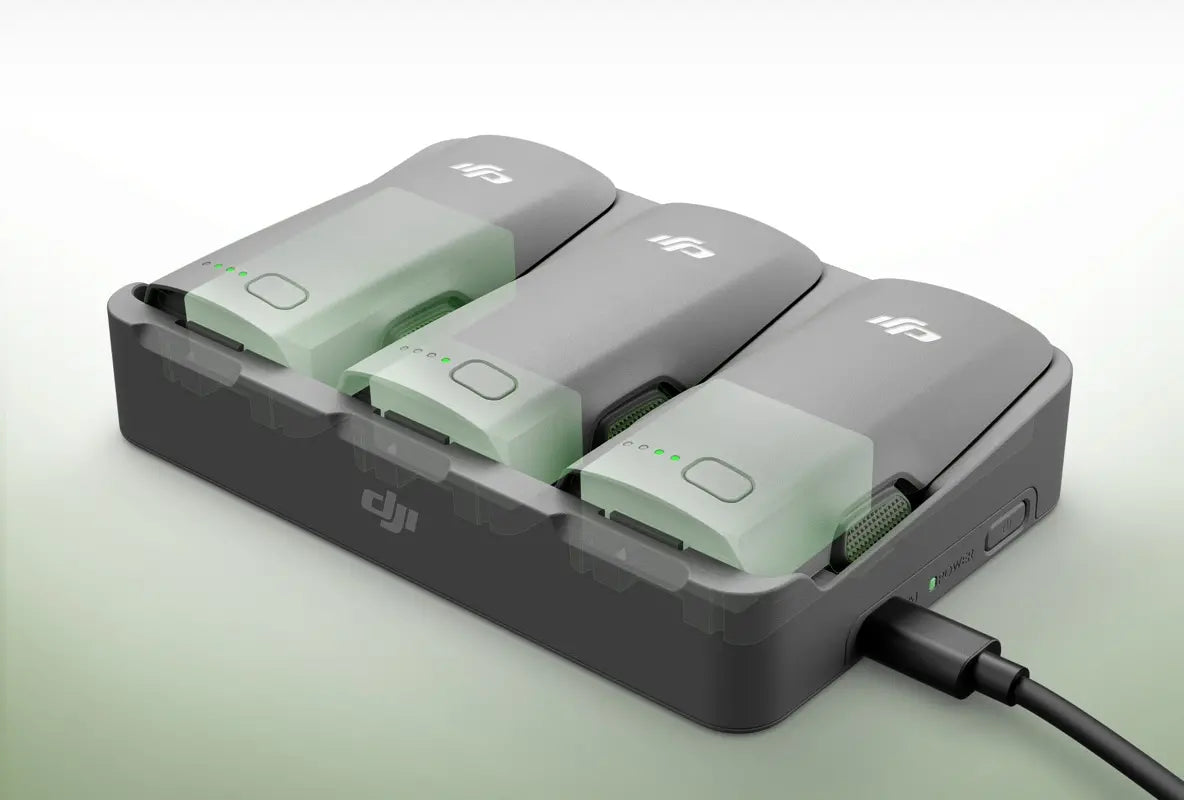
Charging Time | Charging time is measured in a test environment with a temperature of 25° C (77° F). Actual charging time may increase due to higher ambient temperatures or variations in mains voltage between regions. |
| Remote Controller | |
Max Operating Time | |
Operating Temperature | |
Transmitter Power (EIRP) | 5.1 GHz: < 23 dBm (CE)5.8 GHz: < 33 dBm (FCC) < 14 dBm (CE) < 30 dBm (SRRC) |
| Weight | 0.1 kg |
|---|
Related products
A21 pro Gaming Version
In stock
Original price was: 8,500.00৳ .5,990.00৳ Current price is: 5,990.00৳ .
DJI 100W USB-C Power Adapter
In stock
Original price was: 15,000.00৳ .9,450.00৳ Current price is: 9,450.00৳ .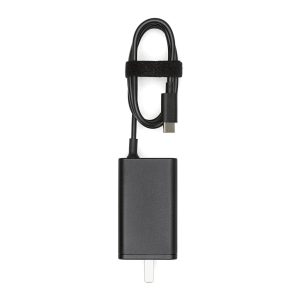
DJI 65W Portable Charger
In stock
Original price was: 6,500.00৳ .4,500.00৳ Current price is: 4,500.00৳ .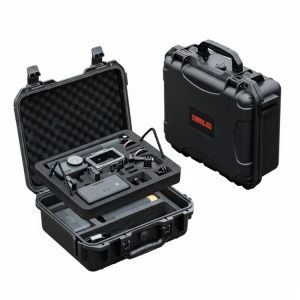
DJI Action 6 startrc Double-layer Hard Case
In stock
Original price was: 6,000.00৳ .4,300.00৳ Current price is: 4,300.00৳ .




Reviews
There are no reviews yet.